Our History
Since 1836, CPAS has been responding to the key challenges and opportunities of the time to equip leaders and churches for mission, so that many, many more men, women and children can come to know our wonderful Saviour.
1835
November: Frederick Sandoz writes to a church newspaper to propose a ‘Church Home Missionary Society’.
December: Appeal to start a ‘Church Pastoral Aid Society’ launched.
1836
Foundation
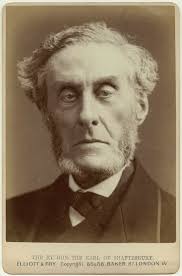
From the second half of the 18th century, as jobs in factories increased exponentially, the English population had been rapidly moving from the countryside into the towns and cities. By 1836 the Church of England had a problem – its rural parishes were emptier than they ever had been and its urban parishes were expanding beyond the capability of their ministers. To rise to this new challenge, Lord Shaftesbury and a group of his friends formed CPAS to ‘carry the gospel, by means of the Church, to every man’s door, with a single eye to the glory of God’.
On 19 February 1836, in the Church Missionary Society boardroom, the first meeting of CPAS was opened in prayer, the constitution signed and the work begun. In those days the organisation’s ministry primarily consisted of making grants to clergy and church lay workers, to help bring the gospel to newly unreached parishes. In the latter years of the 19th century advowsons (the right to appoint a parish’s vicar) were given to CPAS and the patronage work began. It was the beginning of a work to have a long reach, as the society started to invest in church leaders.
1837
William Gladstone is involved with a number of CPAS supporters leaving in protest to form the Additional Curates Society, not wanting to provide support for lay workers furthering the evangelical cause.
1888
Crisis and Change
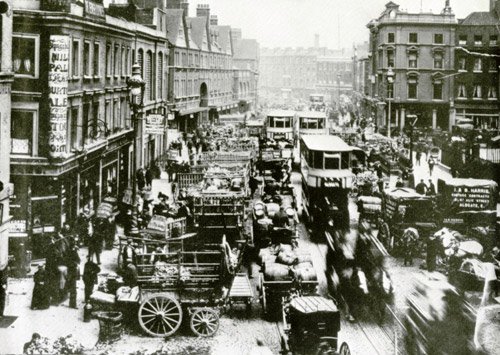
This initial model of grant making and patronage, however, was not an entirely sustainable one. From the first year of the society it operated at a loss, attempting to serve beyond its capacity. 1888 saw this reach breaking point. Grants were cut or shrunk and the charity was forced to reign in its activities. Crisis, though, provided opportunity for change. A new support raising arm was quietly formed, the ‘Ladies’ Home Mission Union.’
Over the next few years, the LHMU set up many local branches to raise financial and prayerful support for CPAS. One of the many products of their work was the ‘Recruits Branch’, a series of youth groups, working together to raise money for the ‘Fresh Air Fund’. This new fund allowed young people from challenging backgrounds to take a break away from the city.
1889
April: Issue 1 of ‘Church and People: Echoes of Church Pastoral-Aid Work’ is published.
1895
10 July: The Recruits Branch (a series of youth groups) is formed by the LHMU.
1899
In four years the initial 27 branches have tripled in number and there are now 2000 Recruits. These numbers are enough to sustain the newly established ‘Fresh Air Fund’, an initiative to provide free holidays to the seaside and countryside for children from inner city areas.
1905
February: Reports come in of CPAS ministers in Wales overwhelmed by the Welsh revival.
1924
Falcons
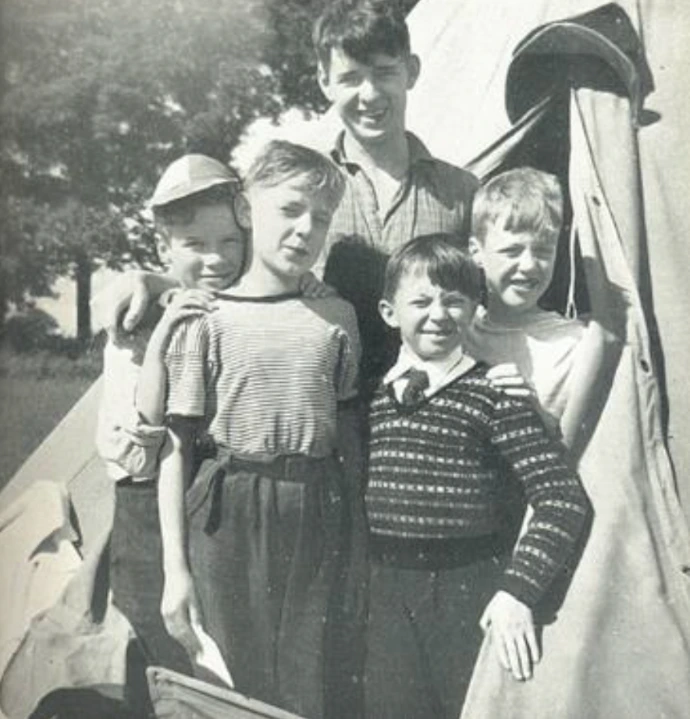
The work of the Fresh Air Fund itself changed in 1924. The CPAS Recruits secretary, whilst praying on a visit to a poorer London parish, was struck by the spiritual need of young people there, as well as the physical. That year Falcon style holidays began when she invited a group of 24 factory workers aged 12-15 to come camping with her at Coldharbour, Surrey and hear the good news. Several wrote back from holidays, one excitedly proclaiming ‘my little brother and I has gave our whole selves to Jesus!’
1936
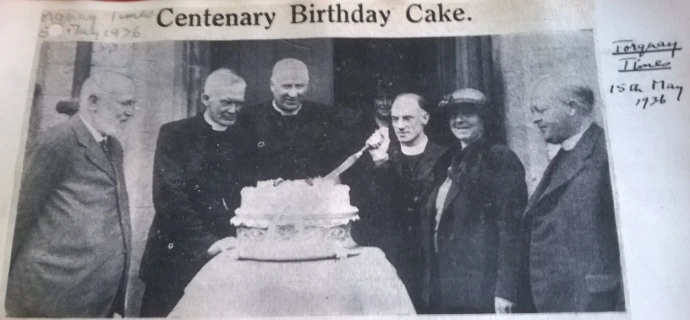
1936 Centenary Birthday Cake
1938
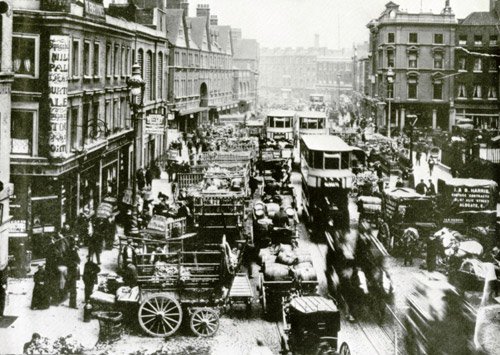
Leadership Resources
It was not only in children and young people’s ministries where the Church faced new needs between the wars. The First World War had seen so many die in the fighting, that the number of new ordinands was greatly reduced. In response, CPAS took the opportunity to test the waters of leadership training.
Partly to support the work of the LHMU and to more generally keep supporters informed and praying, CPAS had been producing a monthly magazine called ‘Church and People’ since 1889. It was a small matter then in 1938, to turn those presses over to the printing of its first leadership resource – a pamphlet entitled ‘Evangelism: What It Is and How to Prepare For It’. In the years after the Second World War the catalogue of printed resources, for both leaders and congregations, was expanded to cover a multitude of topics. One of particular note is Norman Warren’s ‘Journey into Life’. Pioneered in 1964 as a new method for sharing the gospel, it remains a useful tool for explaining the gospel to this day.
1940
29 December: CPAS Falcon Court offices destroyed by air raid during the London Blitz.
1945
March: The then Queen Elizabeth writes to congratulate the Recruits branch on their holidays (specifically what would become the Falcon holidays).
1952
Martyrs Memorial Trust given to CPAS Patronage.
1958
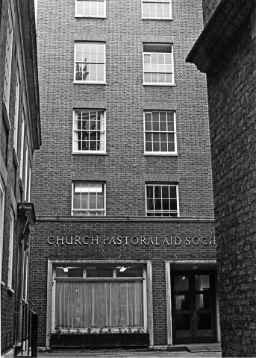
Falcon Court offices rebuilt after wartime bombing.
1960s

In the 1960s when ‘Youth Praise’ was taking off, CPAS had begun to run ‘You and Ministry’ courses to help people aged 16 and over to explore a sense of call to authorised ministry in the church.
1964

In the 1960s when ‘Youth Praise’ was taking off, CPAS had begun to run ‘You and Ministry’ courses to help people aged 16 and over to explore a sense of call to authorised ministry in the church.
1966
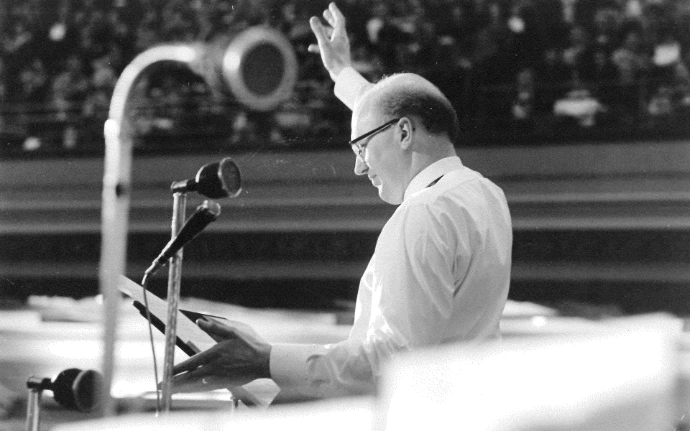
Youth Praise
In the same period as ‘Journey into Life’, CPAS also published ‘Youth Praise’. Michael Baughen, visiting CPAS youth groups that had grown out of the Recruits, noted that they were not engaging with worship and began to develop a plan of action. In 1966, ‘Youth Praise’ was released; a hymn book of more lively songs aimed at young people. The initial launch rally attracted 3,000 young people, filling Westminster’s Central Hall beyond capacity. The legacy of this was far reaching, an acknowledgement within the Church of new ways to worship God that engaged younger generations, leading to movements today like Soul Survivor.
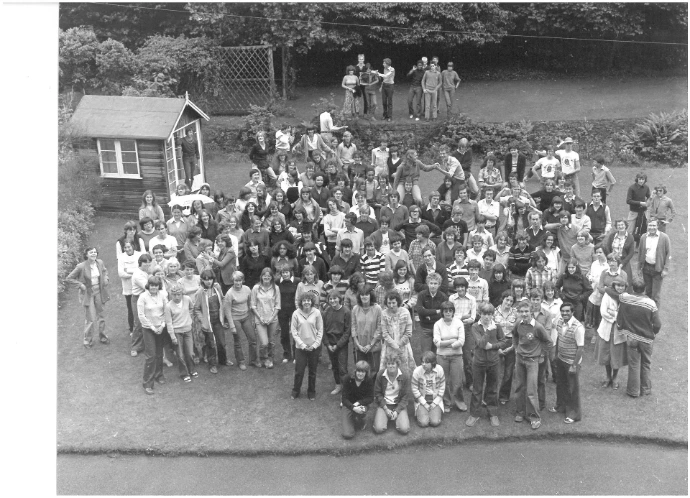
It is perhaps no coincidence then that in 1974, just five years after the launch of ‘Youth Praise 2’, CPAS were seen as competent enough at youth work to be entrusted with a great number of Church Society’s CYPECs holidays. Hauling the filing cabinets of members’ details across Fleet Street to the CPAS offices, Church Society gave oversight of their holidays, known today as ‘Ventures’, to CPAS.
1969
Youth Praise 2 launched to a packed Royal Albert Hall.
1974
Pioneering
Ventures were not the only major new direction for CPAS in 1974. It was also a year that demonstrated CPAS’ willingness to challenge the norm and pioneer new work within the Church for the sake of the gospel. As well as gaining Ventures, ‘Church Family Worship’ was launched. Building on the work of ‘Youth Praise’, it offered an alternative to traditional parish services and, by advocating for a Sunday service, more accessible to non-churched people and families.
The desire to see families from non-churched backgrounds come to know Christ led to the writing of ‘Launching a Missionary Congregation’ by Robert Warren for CPAS in 1996, and the CPAS Body Beautiful conference to encourage all-age church in 2004. A significant outcome of that conference was its contribution towards inspiring Lucy Moore to start the Messy Church initiative that same year. These kind of initiatives also contributed to the ‘stream’ that is now known as Fresh Expressions.
1976
13 May: CYFA Pathfinder Ventures Ltd is founded and works with CPAS to put on holidays for children.
1983
Seeker Bible Studies
Fresh new ways of presenting the gospel to congregation members’ friends, family and neighbours was a hallmark of CPAS’ work in evangelism. So, in 1983 it created a new resource with Michael Wooderson. ‘Good News Down the Street’ was a method of evangelism that saw vicars training their congregations to run small seeker Bible studies in their own homes with people they already knew. A method used today across the Church and especially on University campuses; it was a pioneering new way of enabling lay people to open the Bible with non-Christians at the time. In 1991 CPAS expanded on this, creating ‘Christian Basics’, a multi-week course designed to be easy to invite unchurched friends along to hear about Christ.
1984
In this period CPAS involved itself with Billy Graham’s evangelistic meetings. The then Evangelism Secretary, Gavin Reid, was seconded to help found Mission England and convince Billy Graham to head the mission. He would spend several years from 1984, enabling the meetings that led 1000s to Christ. CPAS were intent on trying new initiatives to carry the gospel to every person’s door.
1988
Long Term Work
Older CPAS ministries continued to be developed alongside the new. Making good clergy appointments continued to be important to the organisation’s work.
In 1988, when CPAS was beginning to consider further involvement with Mission England, the first Patronage Secretary Ian Savile was appointed to allow CPAS to more efficiently manage evermore appointments of clergy.
Helping younger people explore a possible vocation has only recently become a specific focus of the Church of England with initiatives like ‘Call Waiting’ joining CPAS in the work it has been doing for decades. And of course, helping ensure that evangelical leaders with a mission focus are in post across England continues to be vitally important in seeing more people reached with the gospel.
1990
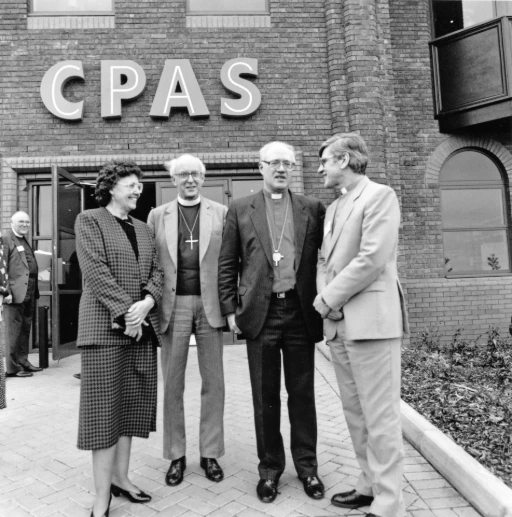
Move from Falcon Court, London to Tachbrook Park, Warwick.
1991
Christian Basics. A course for Christians to invite their friends to learn more about Christ is published. This is similar to the form that Alpha would later adopt.
1999
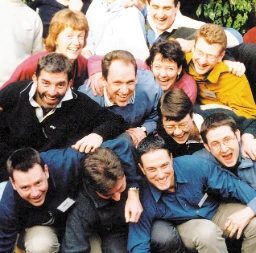
Arrow Leadership Programme starts – CPAS pioneering leadership programmes (through James Lawrence) for Church leaders in the UK.
2004
Body Beautiful conference run by CPAS is part of the process leading to Lucy Moore to start the Messy Church movement.
2007
Focus on Leaders
Enabling people to reach others with the gospel has been approached from a new direction in more recent years. CPAS has moved towards developing leadership skills in church leaders so that they might better enable, support and release their congregations to do mission. In part this began in 1999 when James Lawrence started Arrow UK, a leadership training programme. While in one sense this was seen as a pioneering work that addressed a key need for leadership training within the Church, it was also a step closer to the society’s roots. In 1836 CPAS was established with the hope of facilitating church leadership in areas of great need. Following a vision discernment process of prayer and review in 2007, CPAS chose to focus on a similar theme for the immediate future, but in a new way: in developing the leadership skills of church leaders.Of course, a decision to change the vision had an impact on all of the society. As a result, some new ministries were grown. For example, CPAS now runs a whole variety of leadership courses, produces materials and reviews resources to help develop and support Christian leadership. Other ministries, like Ventures, Falcons and Patronage, have had a slight shift in focus, but continue to be developed within the new context.
2011
29 March: Ventures and Falcons officially taken on by CPAS as the CYFA Pathfinder Ventures charity is wound down.
2012
March: Office move from Tachbrook Park to Warwick Science Park.
2016
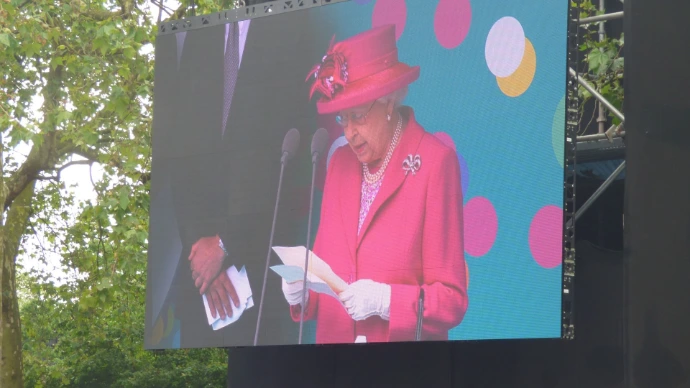
June: CPAS celebrates its 180th birthday.
Key staff and guests attend The Patron’s Lunch on The Mall, to celebrate HM Queen’s 90th Birthday. CPAS were invited as one of over 600 leading UK charities, whose Patron was the Queen.
2024
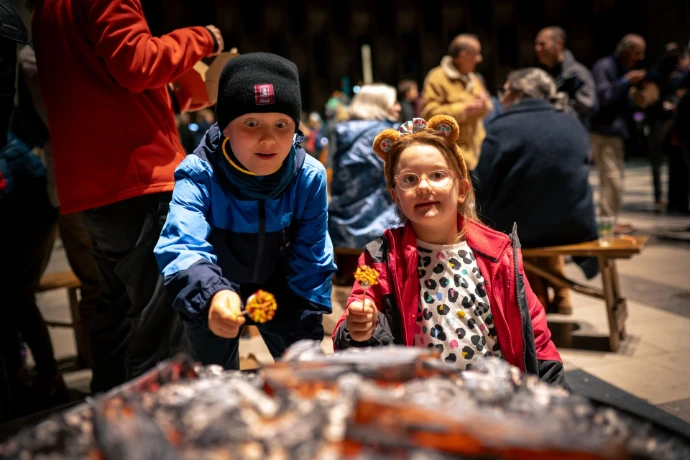
Celebration of 100 Years of CPAS holidays
On November 15, 2024, CPAS marked 100 years of its “Ventures and Falcons” holidays with a unique “Campfire in the Cathedral” celebration at Coventry Cathedral. The event transformed the space into a cosy campfire scene with trees, firepits, and a bell tent, welcoming over 200 guests including volunteers, participants, and supporters. The evening featured acoustic worship, games, shared stories, and campfire hotdogs, reflecting on a century of holidays that have impacted tens of thousands of young people with the Christian gospel since 1924.
2025